Baked Butternut Squash Mac and Cheese Bowls
Creamy baked butternut squash mac and cheese served in individual bowls with crispy sage. A cozy, make-ahead Christmas main for 6 people.
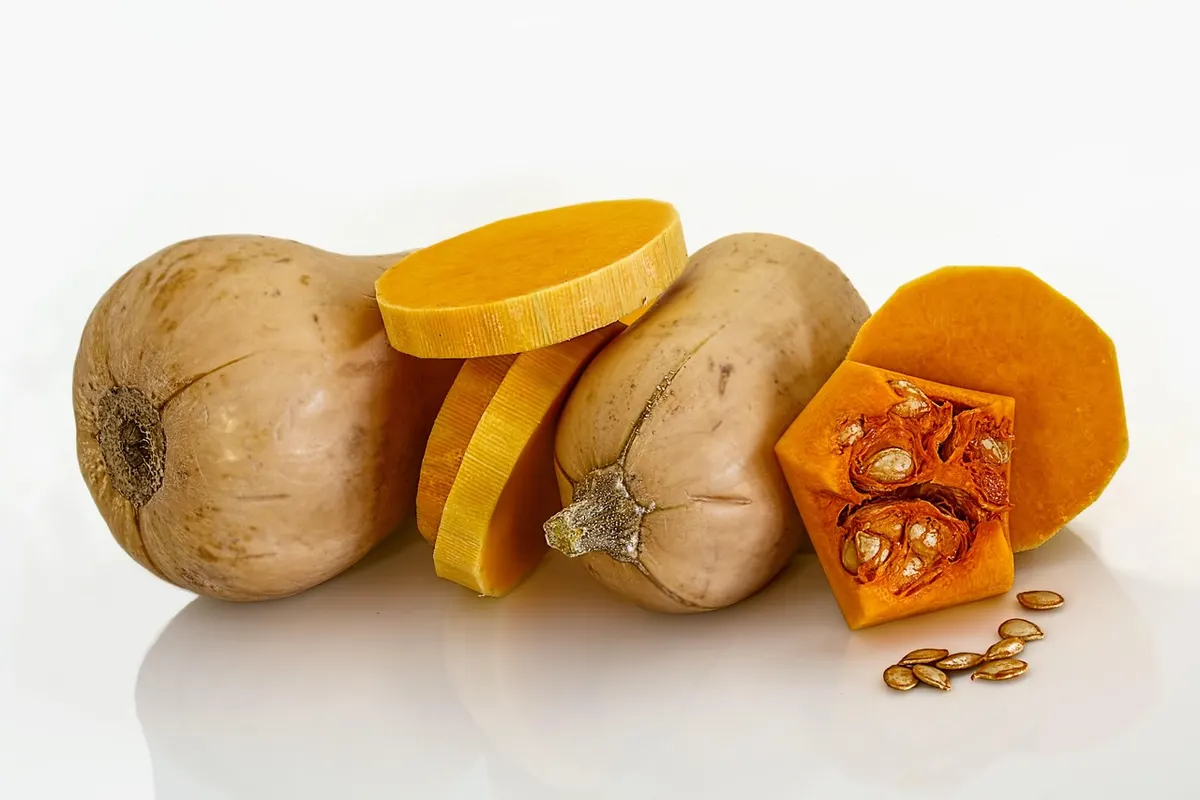
This baked butternut squash mac and cheese is creamy, a little sweet and deeply cheesy. Each person gets their own bowl topped with a roasted squash wedge, so it looks special on a holiday table.
Tips for Success
- Shred your own cheese. Pre-shredded cheese has a coating that keeps the sauce from turning smooth.
- Keep the sauce slightly runny before baking. It thickens as it bakes.
- Pat the sage leaves dry before frying so they crisp instead of steaming.
- Stir the milk in slowly so the sauce has no lumps.
Make-Ahead and Storage
Roast the squash up to 2 days ahead and keep it in the fridge. You can assemble the bowls a day early and bake them when guests arrive. Leftovers keep for 3 days in the fridge. Reheat with a splash of milk.
Variations
- Swap the cheddar for Gruyère for a nuttier flavor.
- Add crumbled cooked bacon between the layers.
- Use gluten-free pasta and a gluten-free flour blend.
Baked Butternut Squash Mac and Cheese Bowls
Ingredients
Instructions
- Heat the oven to 350°F. Line a large rimmed baking sheet with parchment paper.
- Cut each squash in half lengthwise. Scoop out the seeds and stringy bits with a spoon.
- Cut one squash half into 6 wedges. Cut the other 3 halves into 1-inch chunks.
- Put the wedges and chunks on the baking sheet. Toss with 1 tbsp of the oil and a pinch each of salt and pepper.
- Roast for about 40 minutes, until the squash is soft when poked with a fork and golden at the edges.
- While the squash roasts, bring a large pot of salted water to a boil. Add the macaroni and boil for just 5 minutes. It will finish cooking in the oven, so it should still be firm.
- Scoop out 1 cup of the pasta water with a heatproof measuring cup, then drain the macaroni in a colander.
- Heat 2 tbsp oil in a large pot over medium-high heat. Add the sage leaves and fry for 2 to 3 minutes, until crisp and darker green. Lift them out onto a paper towel and set aside.
- Add the garlic to the same oil and cook for 1 minute, stirring, until it smells fragrant. Do not let it brown.
- Stir in the flour and cook for 1 minute, stirring all the time. This makes a roux (a paste of flour and fat) that thickens the sauce.
- Pour in the milk a little at a time, stirring well after each addition. This keeps the sauce free of lumps.
- Cook for about 5 minutes, stirring often, until the sauce is smooth and thick enough to coat the back of a spoon.
- Take the pot off the heat. Stir in most of the cheddar and Parmesan, saving a handful of each for the top.
- Mash half of the roasted squash chunks with a fork or potato masher, then stir them into the sauce.
- Stir in the mustard, the drained macaroni and the reserved pasta water. Season with salt and pepper to taste.
- Divide the remaining squash chunks among 6 oven-safe bowls. Spoon the macaroni mixture on top.
- In a small bowl, mix the saved cheese with the panko breadcrumbs. Sprinkle it over each bowl.
- Set the bowls on a baking sheet to catch any drips. Bake for about 30 minutes, until golden on top and bubbling at the edges.
- In the last minute of baking, tuck a squash wedge and a few crispy sage leaves into each bowl.
- Let the bowls rest for 5 minutes before serving, since they will be very hot.
Frequently Asked Questions
Can I make butternut squash mac and cheese ahead of time?
Yes. Assemble the bowls, cover, and chill for up to 2 days. Bake straight from the fridge and add about 10 minutes to the time.
What can I use instead of oven-safe bowls?
Use a 9x13-inch baking dish. Bake it for the same time, then scoop it into bowls and add the sage on top.
How do I keep the pasta from drying out?
Undercook the macaroni and add the reserved pasta water to the sauce. The pasta soaks up liquid in the oven, so a loose sauce is what you want.